Chapped Lips: Why Do Lips Chap? 5 Causes and How to Prevent Them
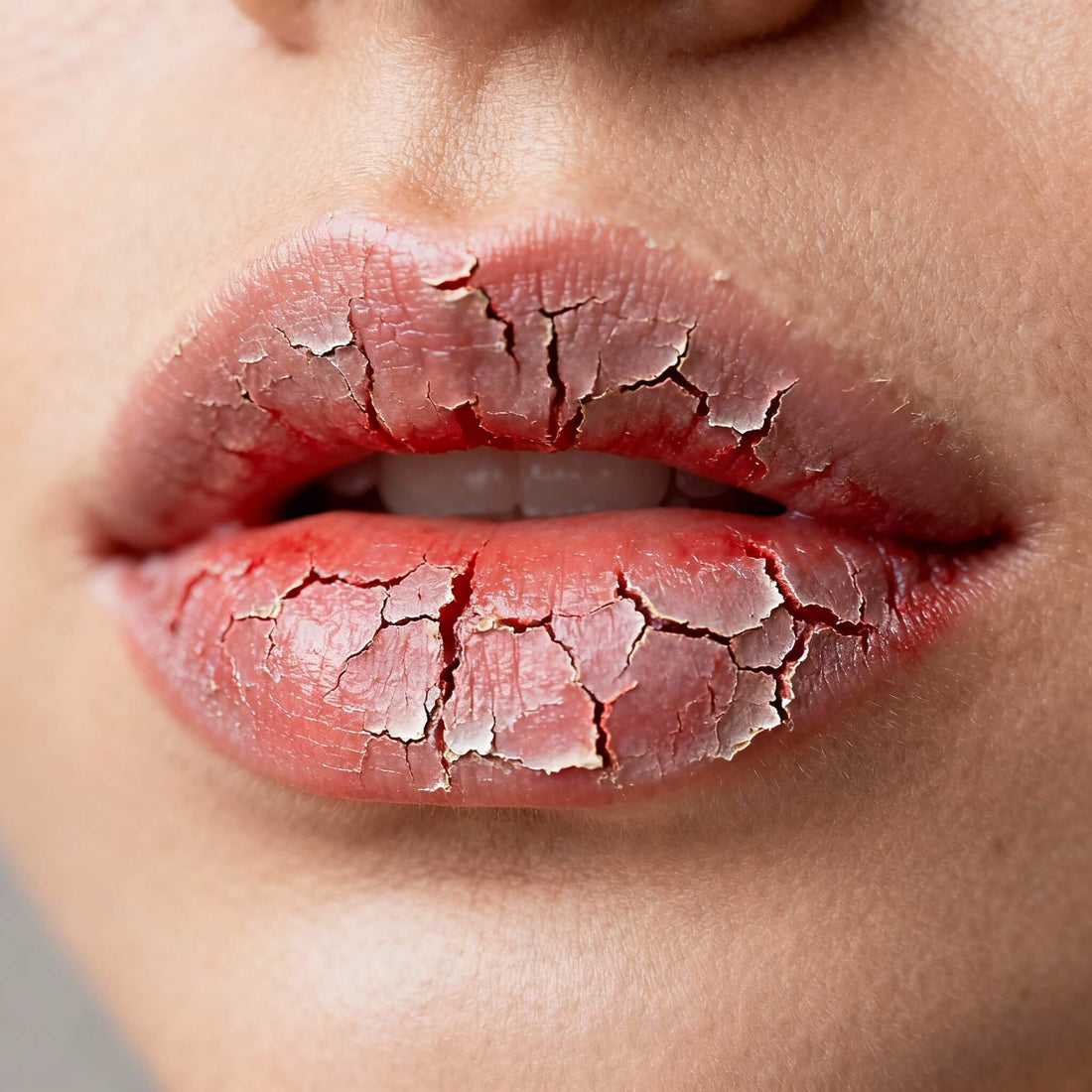
Cracked lips are a problem that affects many people, especially in the colder months of the year. Importantly, this problem can occur at any age – both in children and adults. The delicate skin of the lips, devoid of natural sebaceous glands, is extremely susceptible to damage and requires special attention. In this article, you will discover five main causes of cracked lips and proven prevention and care methods that will restore your lips to a healthy appearance. We will also present home remedies and tips on proper lip care.
Go to the next paragraphs:
5 main causes of cracked lips
1. Unfavorable atmospheric conditions and external factors
Cold, frost, strong wind and intense sun radiation are some of the most common culprits of dry and cracked lips. Additionally, lips are exposed to unfavorable atmospheric conditions, which include not only cold and wind, but also other weather factors requiring the use of appropriate protective products. Lip skin loses moisture much faster than other parts of the body, which means that extreme atmospheric conditions very quickly lead to its drying and cracking. Moisture loss causes lips to become more prone to cracking and loss of elasticity. In winter, frost is particularly painful, which additionally reduces skin elasticity, and in summer, excessive exposure to UV radiation accelerates the aging and damage of the epidermis.
Dry air in heated or air-conditioned rooms also contributes to lip dehydration, so the problem occurs not only outdoors but also in our homes and offices. Low air humidity in such places further deteriorates the condition of lip skin, increasing the risk of drying and cracking.
2. Vitamin and mineral deficiencies
If you regularly struggle with cracked lips despite proper external care, the cause may be nutrient deficiencies. Lack of vitamins and nutritional deficiencies such as B vitamins, vitamin A or iron are common causes of lip problems. Deficiency of B vitamins – especially vitamin B2 (riboflavin) – is often manifested by painful cracks in the corners of the mouth, called angular cheilitis. Iron deficiency leads to weakening of skin structure and its excessive flaking, and zinc deficiency can cause dryness, irritation and inflammation.
Vitamin A is essential for skin regeneration, and its deficiency causes drying and flaking of the epidermis. Lack of vitamin A and other vitamins can lead to lip skin problems such as cracking or excessive dryness. Meanwhile, vitamin E acts as a powerful antioxidant, protecting cells from damage. If you notice persistent cracking of lips, it is worth consulting a doctor and having your vitamin and mineral levels tested.
3. Frequent licking of lips
This is one of the most common habits that paradoxically worsens the condition of lips. Although licking lips provides temporary relief, saliva contains digestive enzymes that destroy delicate epidermis and lead to further skin drying. As a result, skin becomes even more prone to cracking and irritation. It is worth consciously giving up this habit and replacing it with regular application of protective balms.
4. Improper care and cosmetics
Using lip balms or pomades containing alcohol, irritating or allergenic ingredients can significantly contribute to dryness and cracking of lips. Also, lack of regular care, insufficient hydration and neglecting protection from external factors lead to deterioration of lip skin condition. That is why it is so important to use proper care, including protective balms that help regenerate and protect lips. Some heavy lip balms can additionally dry out lips instead of protecting them.
It is worth choosing cosmetics containing natural ingredients such as shea butter, plant oils, beeswax or vitamins A and E, which intensively moisturize and regenerate lip skin. Good products contain moisturizing and regenerating ingredients, and lip balm should be the foundation of daily care.
5. Body dehydration and improper diet
Consuming insufficient water (minimum 2 liters per day) is one of the basic causes of dry lips. Body dehydration affects the condition of the entire skin, especially the delicate red of the lips. Additionally, a diet poor in nutrients, rich in simple carbohydrates and excessive consumption of coffee and alcohol flush out essential vitamins and minerals, leading to deterioration of lip condition.
How to prevent cracked lips – effective methods
Regular moisturizing and nourishing
The basis of care is daily application of protective balms or pomades that create a barrier on the surface of lips and retain moisture. Moisturized lips are less prone to cracking, and lip moisturization is key to their health. It is worth choosing products with natural ingredients: beeswax, coconut oil, castor oil, shea butter or vitamin E. Protective products create a protective barrier that prevents moisture loss. Lip oils also work well, combining care with a delicate shine.
Protection against external factors
In winter and summer, protection against extreme atmospheric conditions is essential. Use balms with UV filter (minimum SPF 15) that protect lips from sun radiation. Remember to protect your lips from UV radiation – this is key to maintaining good lip condition and preventing drying and cracking. On colder days, cover your lips with a scarf or shawl to limit contact with frost and wind.
Home care methods
Natural methods can significantly improve lip condition. Gentle sugar scrub (honey with sugar) exfoliates dead epidermis and prepares lips for intensive care. A homemade sugar scrub is an effective method for exfoliating and quick relief for chapped lips.

Masks with honey, coconut oil or shea butter deeply moisturize and regenerate lip skin. Natural oils and oils such as coconut oil, castor oil and vitamin E support skin regeneration and lip moisturization. It is worth applying them several times a week, especially in the evening before bed. Such home remedies help regenerate cracked lips and chapped lips, providing adequate moisture level and supporting the skin renewal process.
Proper diet and supplementation
Take care of a diet rich in B vitamins (eggs, lean meat, poultry, dairy products), iron (red meat, lentils), zinc (nuts, seeds) and vitamins A and E (carrots, avocado, nuts). Lack of vitamin, especially vitamin E, can lead to lip problems such as chapping or cracking. Regularly drink water – at least 2 liters per day – to maintain adequate hydration of your body. If you suspect deficiencies or have thyroid disease, which can also affect the condition of lips, consult a doctor and consider supplementation.
Avoiding bad habits
Stop licking your lips, especially in difficult atmospheric conditions. Such habits negatively affect their condition and can cause lip chapping. Limit consumption of coffee, alcohol and simple carbohydrates, which flush out vitamins and contribute to dehydration. Regularly replace your toothbrush and maintain oral hygiene, which also affects the condition of lips. Taking care of lips is key to lip health.
When to consult a doctor?
If cracked lips are persistent, accompanied by pain, burning, bleeding or symptoms of bacterial or fungal infection, a visit to a dermatologist or doctor is necessary. Bacterial infections are one of the possible causes of cracked lips and may require specialist treatment. In some cases, allergy testing or vitamin deficiency testing may be needed. A specialist will select appropriate pharmacological treatment – antibiotics, antifungal drugs or regenerating preparations.
Cracked lips and dry lips can be a symptom of more serious health problems. It is worth knowing what chapped lips signify – they can indicate vitamin deficiencies, chronic diseases or other disorders requiring diagnosis.
Cracked lips are a problem that in most cases can be solved through proper care, changes in eating habits and protection from external factors. Remember to moisturize regularly, maintain a diet rich in vitamins and avoid bad habits – your lips will regain a healthy, beautiful appearance!