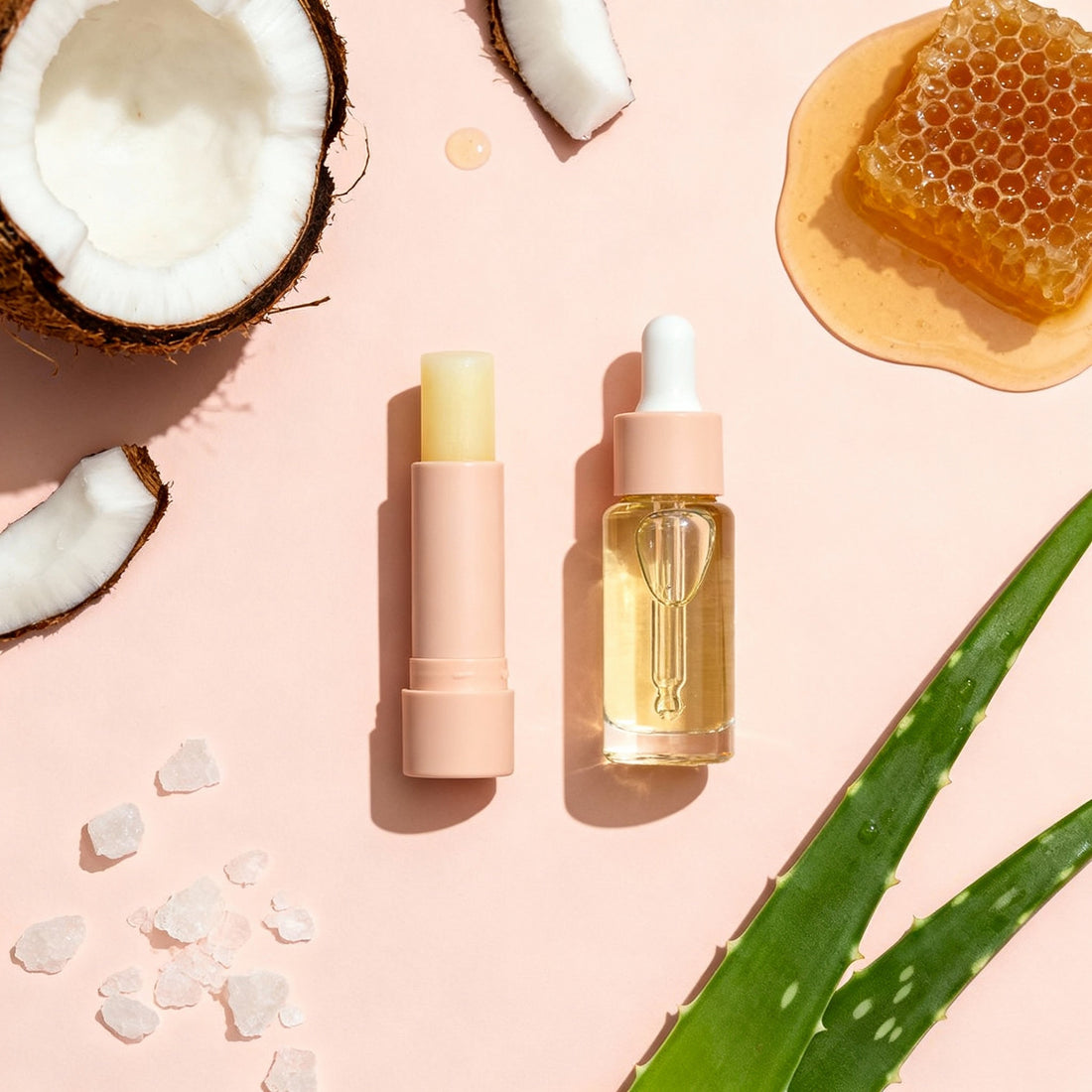
Oil vs. Lipstick: Can lip oil replace lip balm?
Lip care is not only a matter of aesthetics, but also health. Lips, due to the lack of sebaceous glands and a very thin protective layer, are particularly exposed to the effects of external factors – frost, wind, sun rays or dry air. That is why they are so prone to irritation, cracking and drying out. Dry lips, chapped lips and the presence of dry flakes are the most common problems faced by people who neglect lip care.
Go to the next paragraphs:
To prevent this, it is necessary to use protective and moisturizing products – it is better to prevent than to cure, so regular care and reaching for appropriate balms and lip cosmetics is key. Two of the most popular solutions are lip oil and protective balm. Although both have a common goal – protection and regeneration of lips – they differ in consistency, action and method of use. These products often contain fatty acids that support nourishment and regeneration of lip skin.
Lip oil – hydration and nourishment
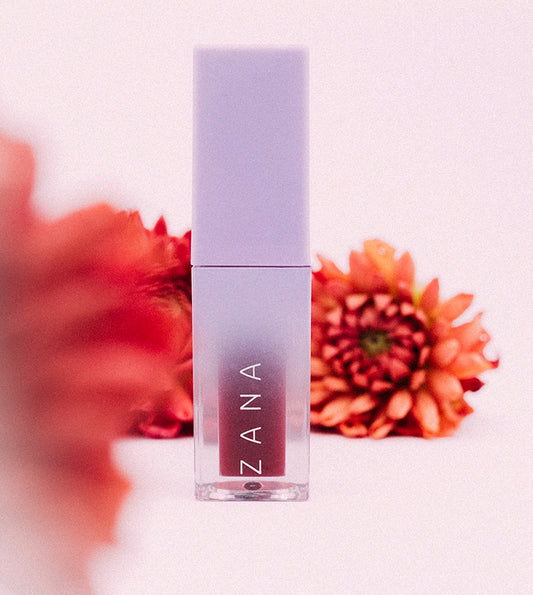
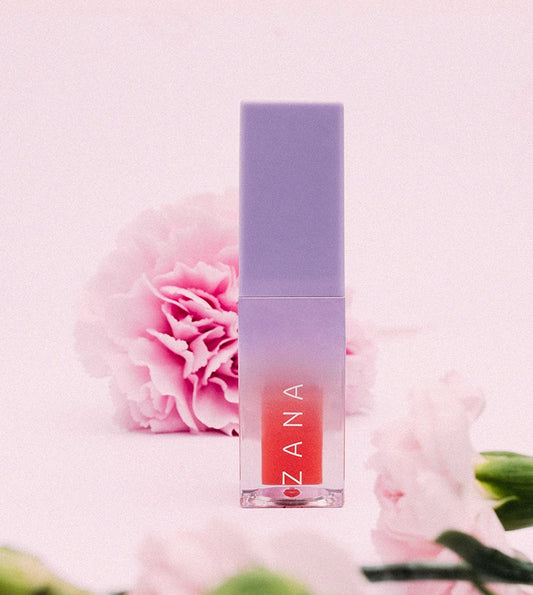
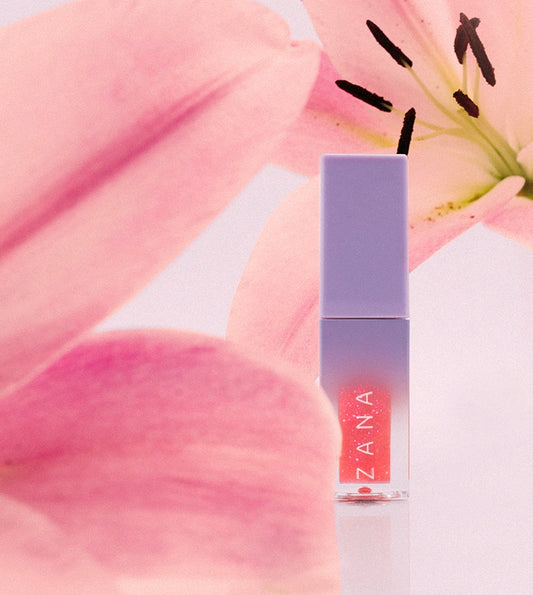
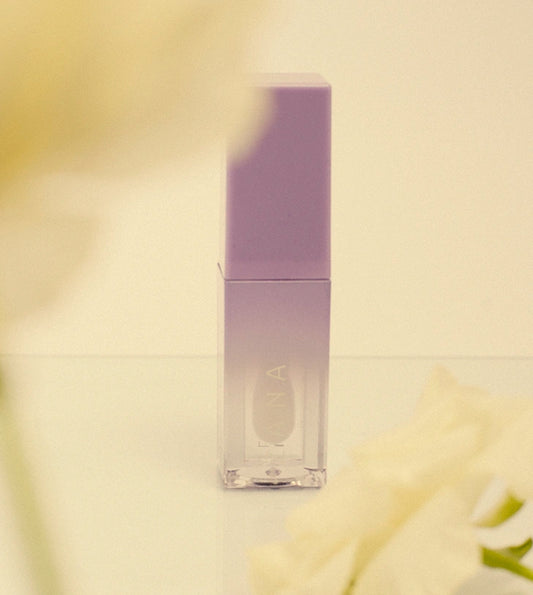
Lip oil is an ideal proposition for people who struggle with extremely dry and chapped lips. Usually enriched with natural plant oils (e.g. jojoba, almond, coconut) and vitamin E, it provides intense hydration and deep nourishment of the skin. Its thick, slightly oily consistency means it stays on the surface of the lips for a long time, creating a protective layer against atmospheric factors. Oil not only prevents drying, but also supports the regeneration process, soothing irritations and accelerating the healing of micro-cracks.
Lip oils, thanks to the content of cocoa butter, sweet almond oil, waxes and natural plant extracts, have versatile applications and care properties, ensuring soft and moisturized lips.
A major advantage of oils is their versatility – they can be used independently as daily protection, but also as a night treatment, when lips especially need regeneration. Some oils and balms are also available in a jar, which allows for precise use and application. Their nourishing and soothing effect makes lip skin soft and regenerated, and regular use of oil is the best solution for people with dry and chapped lips. They work perfectly in winter when frost and wind intensively dry out delicate lip skin.
Protective balm – daily protective barrier
Protective balm is a classic in lip care. Its main task is to create a thin protective layer on the surface of the lips that minimizes moisture loss and protects the skin from the negative effects of external factors. Available in many forms – from colorless, neutral balms to tinted balms – it meets diverse needs, combining a protective function with an aesthetic one.
Modern protective balms contain not only emollients but also nourishing ingredients such as allantoin, panthenol or natural plant oils. Thanks to this, they support lip regeneration and give them a healthy appearance. The convenience of application means you can always have them with you and reach for them several times a day, depending on your needs. This is an ideal solution for daily use both in winter and summer – in versions with UV filter they provide additional protection against photoaging.
Properties of vitamin E in lip care
Vitamin E is one of the key ingredients that should be included in every lip care routine. Its unique properties make it indispensable in protecting delicate lip skin from harmful external factors such as wind, frost or UV radiation. Vitamin E acts as a natural antioxidant, supporting lip skin regeneration and preventing its premature aging. Thanks to this, lips gain a healthy appearance and are more resistant to cracking and irritation.
In daily lip care, vitamin E often occurs alongside other nourishing ingredients such as shea butter, coconut oil or grape seed oil. Such a combination ensures intense hydration, smooths dead skin cells and effectively soothes irritations. Regular use of protective balm or lip balm with vitamin E makes lip skin soft, elastic and less susceptible to external factors.
Vitamin E also works well as an ingredient in lip scrubs – it helps remove dead skin cells, accelerates skin regeneration and restores natural shine to lips. It can be found in both lip oil and protective balms, lip balms or even lipsticks, which allows you to adjust the product to your own needs and preferences.
If you care about effective lip care, choose products that contain vitamin E combined with natural ingredients. This is the best solution to ensure your lips long-lasting hydration, protection and healthy appearance throughout the year.
Oil or balm? Key differences
The choice between oil and balm depends on your individual lip care needs. Oil will work well where intense regeneration and strong nourishment are needed, while protective balm is a reliable product for daily prevention.
Comparison: Lip oil vs Protective balm
|
Criteria |
Lip oil |
Protective balm |
|
Consistency |
Thicker, oily, stays on lips for a long time |
Lighter, quick and convenient application |
|
Primary action |
Deeply hydrates and nourishes |
Creates a protective barrier, prevents moisture loss |
|
Ingredients |
Natural oils, vitamin E, plant extracts |
Emollients, panthenol, UV filters, sometimes oils |
|
Effect |
Regeneration, soothing, restoration |
Protection, maintaining proper hydration |
|
When to use |
As a night treatment, in winter, with severe drying |
Daily, several times a day, also in summer |
|
Additional options |
Can be used as an intensive overnight mask |
Available in tinted versions and with UV filter |
Lip care throughout the year
Regardless of which product you choose, consistency is important and care should be adapted to the season. In winter, thicker oil formulas work best to protect against frost, while in summer it is better to reach for light balms with sun protection. Both products can also complement each other perfectly – oil as an intensive night regeneration, and protective balm as a quick barrier during the day.
Summary
Lip oil and protective balm are not competitors but allies in lip care. Oil acts as an intensive nourishing treatment, and balm as a daily protective layer. Including both products in your care routine will ensure your lips full protection, regeneration and healthy appearance regardless of the season.